Who am I?
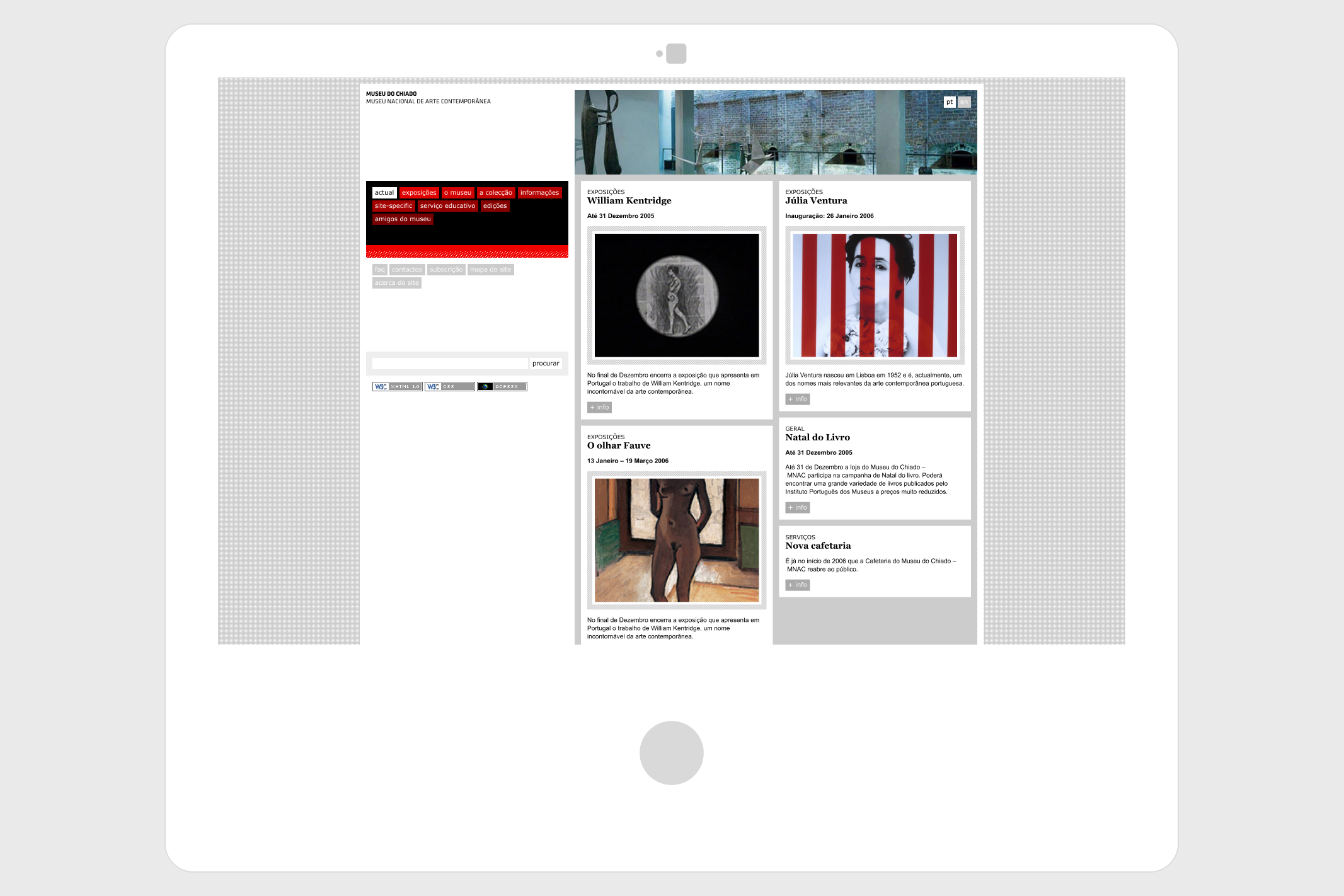
I'm a designer with a BFA in Graphic Design and an MA in Design/HCI. My journey started in 2005/06 with an interface for the National Museum of Contemporary Art in Lisbon — the project that got me hooked on making digital things easier to use.
Since then, I've worked across academia, culture, healthcare, energy, and fintech. I work strategically and tactically — shaping product vision and hands-on execution. I manage clients directly, work with cross-functional teams, and connect decisions to business outcomes.
I focus on empathy, strategy, and execution — understanding real needs, connecting them to business goals, and building solutions that actually make people's lives easier. I'm also passionate about mentorship, helping fellow designers grow their skills and confidence.
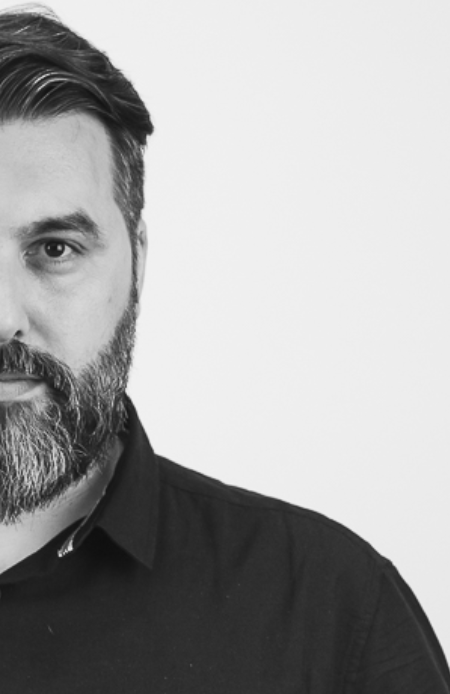
Where it started
I wanted to be an architect. I was drawn to how spatial layouts shaped how people moved and interacted. I ended up studying at a fine arts school—composition, color, typography, academic drawing. I loved it, but missed that connection to systems and movement.
When I was introduced to building for the web, I realized I could apply the same principles—structure, flow, use, how details affect experience—but digitally. Like architects need engineering fundamentals, I learned how websites came to life through code, not by placing graphics on a fixed canvas.
Learning through code gave me a deeper understanding of implementation. I could speak the same language as developers and build it myself.
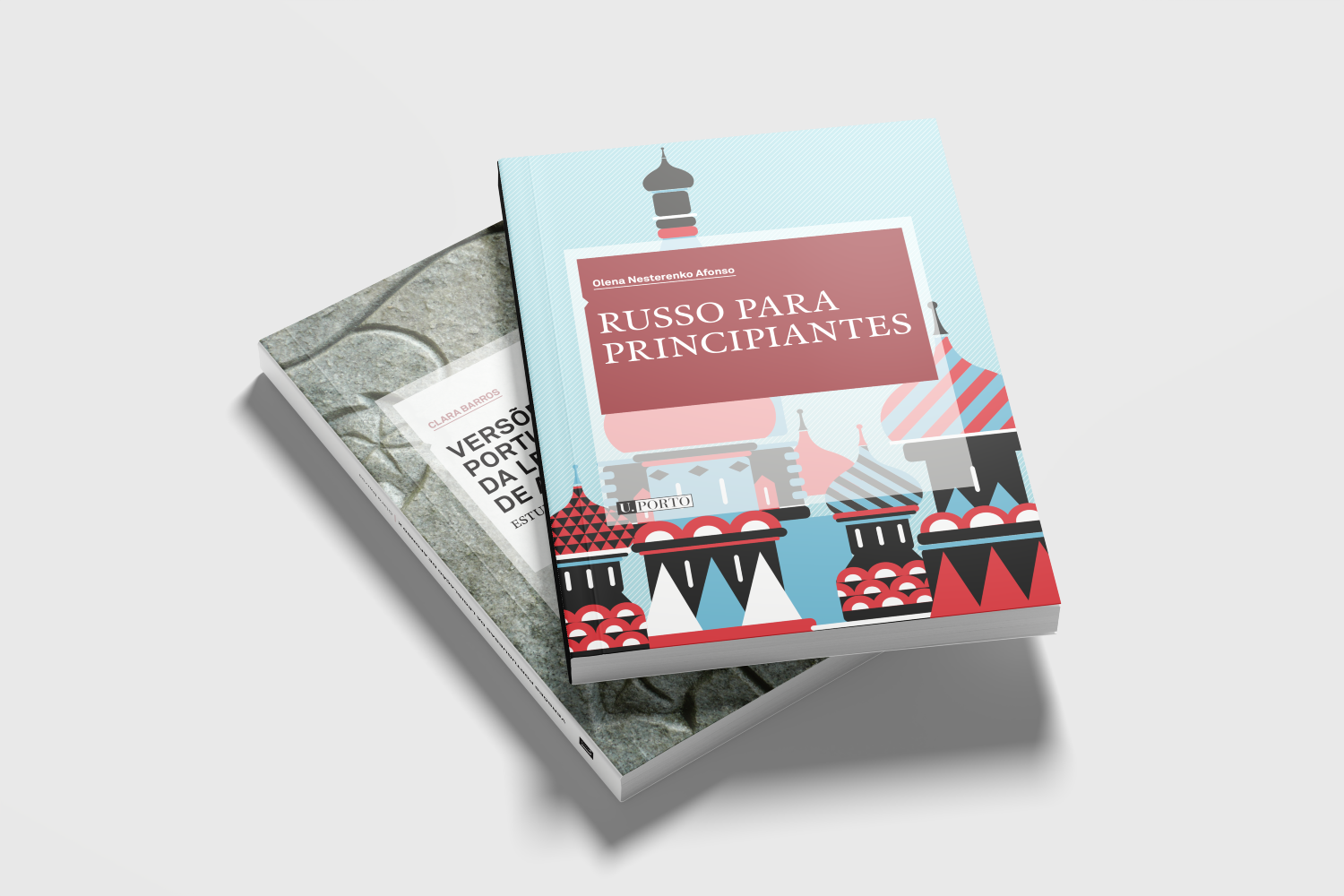
Fine arts school also gave me a broader foundation: human behavior. To understand art, you also need to understand sociology, psychology, economics, political science, anthropology, and history. The more I learned, the more obvious it became that these disciplines were far more applicable to building digital products than to creating brands, posters, or books.
Creation doesn't come from thin air. It's important to understand the whole picture, see how things connect, and know when to respect constraints or challenge them.
Learning this discipline in an art school meant understanding where one starts and the other ends. Art is self-expression; my work is functional problem-solving. That's how I approach it: function first, then elegant solutions.
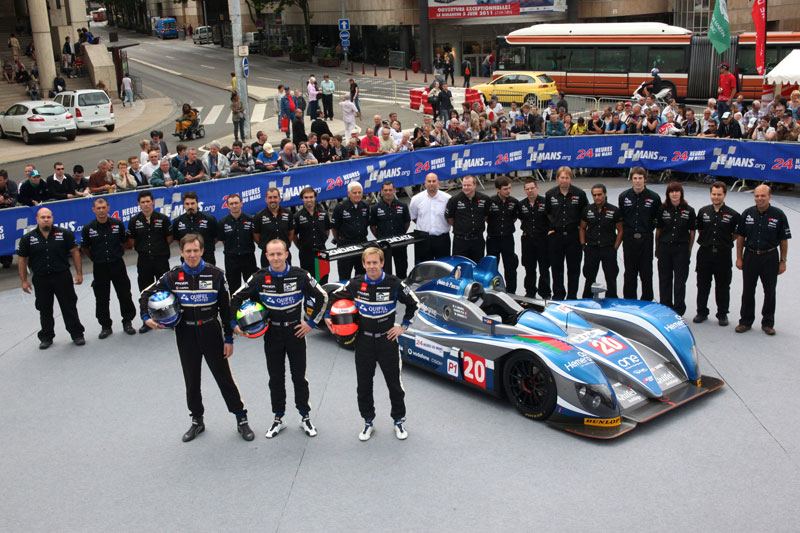
My passion for endurance racing, especially Le Mans, strongly influenced my approach. Three drivers, 24 hours, constant teamwork. They say: "To finish first, first you need to finish." You win by not breaking down and making smart decisions when things go wrong. This shows up in my work: shipping iteratively, making trade-offs, keeping the team aligned beats chasing perfection.
During my university years, I organized 30 talks and conferences over a two-year period and served as a student representative throughout my 5-year BA. Later, white still working in the same University, I was parte of the Organizing Committe for a major International Design Conference (EAD 09), as well as a Art and Media Festival in Porto (Futureplaces, 2011-12). Same skills I use now—navigating stakeholders, presenting to decision-makers, advocating for people. Everything connected. And it still does.